

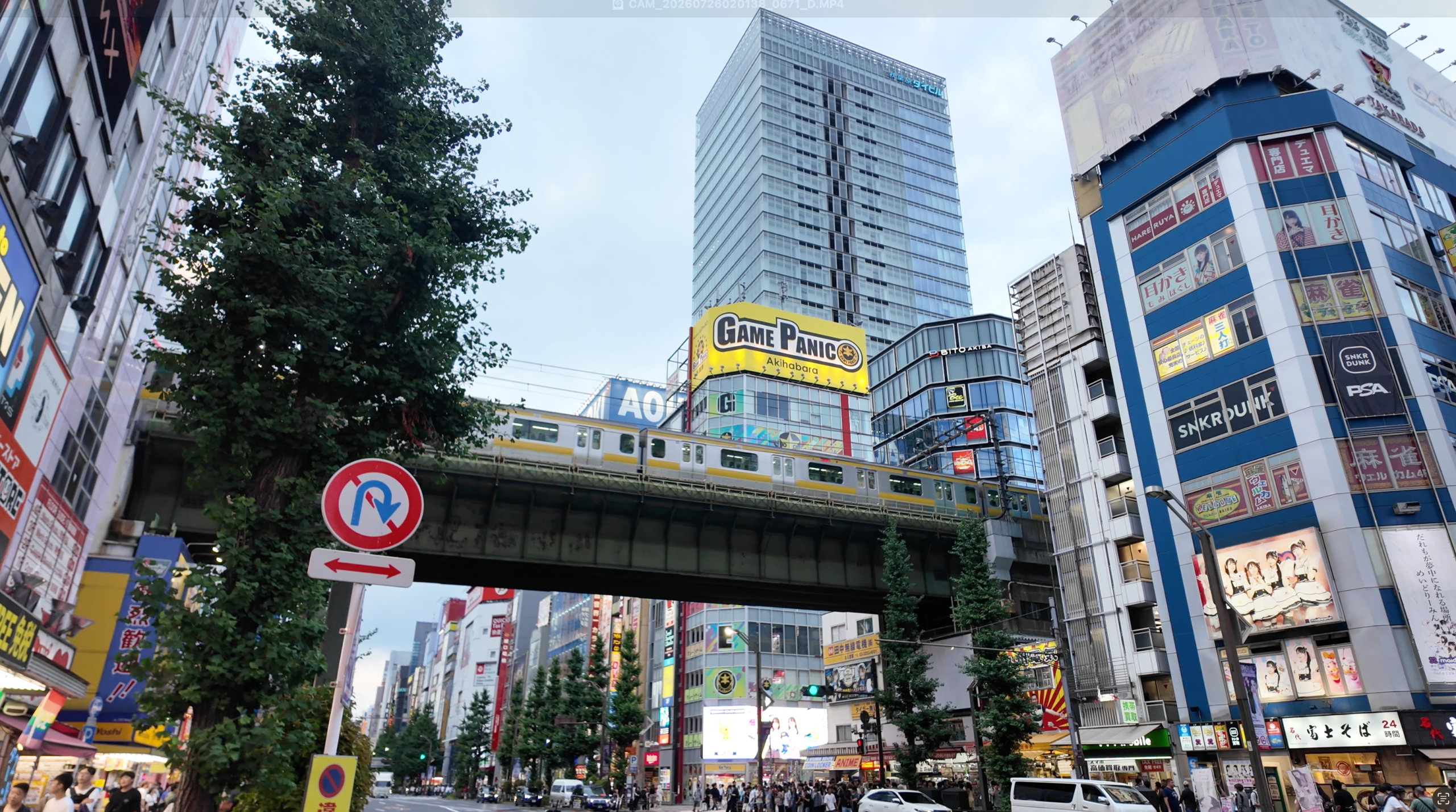

Planning your first trip to Japan can be a little overwhelming. Between figuring out the trains, deciding where to stay, understanding the customs, and trying to squeeze everything into your itinerary, there’s a lot to think about.
Before our first trip, I spent countless hours watching YouTube videos, reading articles, and researching just about everything I could think of. I wanted to make sure we were prepared, especially since we were traveling as a family of four.
In July 2026, my wife, our two kids, and I finally made the trip. We spent about 10 days exploring Tokyo, with an overnight trip to Hakone along the way.
And while all that research definitely helped, there were still plenty of things I learned once we actually got there.
Some things were much easier than I expected. Others were more complicated. And a few things I would absolutely do differently next time.
So, if you’re planning your first trip to Japan, here are some things I wish I had known before we went.
Watch the video: I also put together a video sharing my experiences and advice for anyone planning their first trip to Japan.
1. You’re Going to Walk More Than You Think
I knew we’d be doing a lot of walking in Japan. What I didn’t fully appreciate was just how much.
Even when you’re taking trains everywhere, there’s still plenty of walking involved.
You’ll walk to the station, through the station, up and down stairs, through underground passages, and then from the station to wherever you’re going.
And that’s before you’ve actually started exploring anything.
Tokyo is a massive city, and even attractions that look relatively close together on a map can involve quite a bit of walking.
My advice is to bring comfortable shoes that you’ve already broken in. Don’t buy a brand-new pair right before leaving.
Also, consider how much walking you’re adding to your day when planning activities.
Spending the morning exploring a neighborhood and then visiting a large attraction in the afternoon might sound reasonable, but you’ll probably be on your feet for most of the day.
And when you’re traveling with kids, that can make a big difference.
2. The Tokyo Train System Is Easier Than It Looks
One of the things I was most concerned about before visiting Japan was figuring out the trains.
Looking at a Tokyo rail map for the first time is enough to make your head spin.
There are multiple train companies, subway lines, express trains, local trains, and stations that seem to have about a hundred different exits.
Fortunately, it’s not nearly as complicated as it first appears.
Google Maps makes getting around Tokyo surprisingly easy. It tells you which train to take, what platform to use, where to transfer, and even which station exit is best for reaching your destination.
That last part is more important than you might think.
Some of Tokyo’s major stations are enormous. Taking the wrong exit can leave you walking quite a distance to get where you’re going.
Get a Suica or PASMO Card
One thing I recommend figuring out before arriving is how you’re going to pay for transportation.
Japan uses rechargeable transportation cards called IC cards. Suica and PASMO are two of the most common in Tokyo.
Instead of purchasing a separate ticket every time you ride, you simply tap your card when entering and exiting the station.
You can also use these cards at many convenience stores, vending machines, and other businesses.
Depending on your phone, you may be able to use a digital version instead of carrying a physical card.
The important thing is to have everything set up before you start exploring. It’s one less thing to worry about when you’re trying to navigate a busy train station.
You can find more information on the official Japan tourism website’s IC card guide.
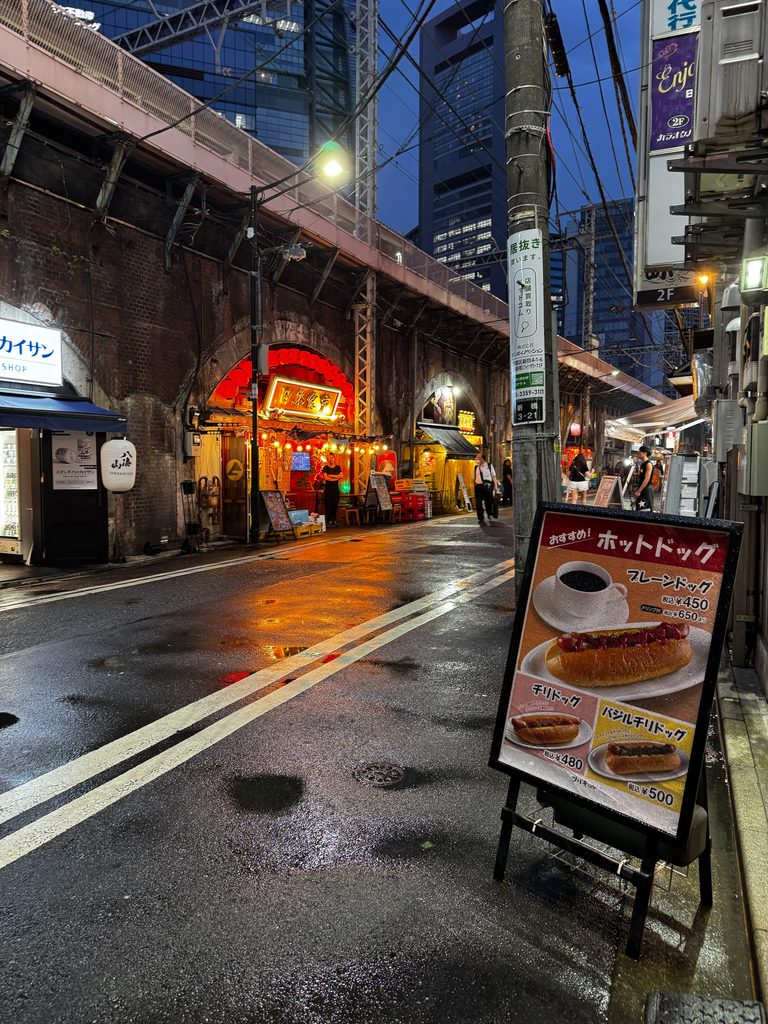
3. Where You Stay in Tokyo Makes a Difference
Tokyo is enormous, and choosing where to stay can have a pretty big impact on your trip.
We rented an Airbnb in the Meguro area, which gave us a place to come back to each evening after exploring the city.
One thing I liked about staying outside the busiest tourist areas was getting to experience a more residential side of Tokyo.
You don’t necessarily need to stay right in Shinjuku or Shibuya to have a great trip.
In fact, I think there’s something to be said for staying in a quieter neighborhood.
What I would pay close attention to, however, is how close your accommodation is to a train station.
Being near a station with convenient connections can save you a surprising amount of time over the course of your trip.
When researching accommodations, I’d recommend checking the actual walking distance to the nearest station rather than simply looking at how centrally located something appears on a map.
That extra 15-minute walk might not seem like much until you’re making it twice a day after spending hours exploring Tokyo.
4. Don’t Try to See Everything
This is probably one of the biggest pieces of advice I can give anyone visiting Japan for the first time.
There’s simply too much to see.
When you start researching Tokyo, you’ll quickly end up with a list of dozens of places you want to visit.
Shibuya, Shinjuku, Asakusa, Akihabara, Harajuku, and countless other neighborhoods could easily fill multiple days.
Then you start adding attractions, restaurants, shopping, and day trips.
Before you know it, you’ve planned a vacation where you’re constantly rushing from one place to another.
We spent about 10 days in Japan, and that still wasn’t nearly enough time to experience everything I wanted to see.
My advice would be to pick one or two main things you want to accomplish each day and leave some room for everything else.
Tokyo is a city where simply walking around can be an experience in itself.
Some of the most interesting things you’ll come across aren’t necessarily places you planned to visit.
And personally, I’d rather spend a little extra time exploring a neighborhood than rush through five different attractions just to check them off a list.
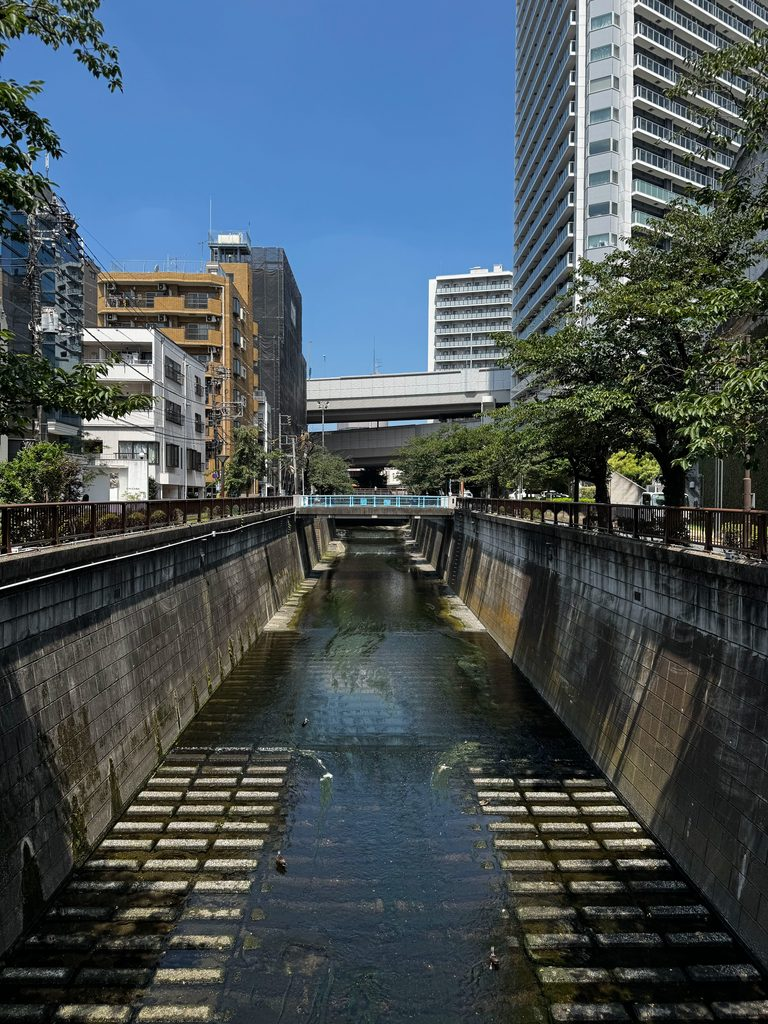
5. If You’re Visiting Japan in Summer, Prepare for the Heat
We visited Japan in late July, and the summer weather is definitely something you need to consider.
Tokyo gets hot and humid.
And when you’re spending most of your day walking around outside, that heat can wear you down pretty quickly.
This is especially important if you’re traveling with children or planning activities that involve a lot of walking.
I’d recommend carrying water, wearing lightweight clothing, and planning opportunities to get out of the heat throughout the day.
Fortunately, Tokyo has plenty of convenience stores, restaurants, shopping centers, and indoor attractions where you can cool off.
You also don’t need to spend every minute of your day sightseeing.
Sometimes taking a break during the hottest part of the afternoon is a better idea than forcing yourself to keep going.
Would I visit Japan in July again?
Absolutely, if that’s when we could make the trip work.
But if I had complete flexibility with my travel dates, I’d probably consider visiting during a cooler part of the year.
6. Pack Less Than You Think You’ll Need
This is something I would pay much more attention to on another trip.
Traveling around Japan with large suitcases can become a hassle, especially when you’re using public transportation.
Train stations can be crowded, elevators aren’t always located where you’d like them to be, and dragging luggage through the streets isn’t particularly enjoyable.
If you can pack lighter, do it.
Another option worth looking into is Japan’s luggage forwarding services.
These allow travelers to ship their bags between participating hotels and other locations rather than carrying everything themselves.
It’s especially useful when you’re traveling between cities or spending a night somewhere along the way.
Just make sure to check delivery times and whether your accommodations can accept shipments.
Japan’s official tourism website has a guide to luggage delivery and storage.
One additional thing to know: certain Shinkansen bullet train routes require advance baggage-space reservations for suitcases whose combined height, width, and depth exceed 160 centimeters. That’s worth checking before traveling with large bags. JR Central
7. You Don’t Need as Much Cash as You Might Think, but Carry Some
Before visiting Japan, you’ll probably read plenty of articles telling you that Japan is a cash-based society.
While there are certainly places where you’ll need cash, credit cards are widely accepted throughout Tokyo.
Restaurants, convenience stores, department stores, and many other businesses accept major credit cards.
That said, I wouldn’t recommend traveling without Japanese yen.
Smaller restaurants, certain attractions, and other businesses may still require cash.
Having some yen available also makes things easier when you come across somewhere that doesn’t accept your preferred payment method.
If you need to withdraw cash, ATMs at places like 7-Eleven are a convenient option for international travelers.
My recommendation is to use a combination of credit cards, an IC transportation card, and a reasonable amount of cash.
There’s no need to complicate it.
8. Book Popular Attractions in Advance, but Leave Room for Spontaneity
There’s a balance between planning too much and not planning enough.
Certain attractions in Tokyo are absolutely worth booking ahead of time.
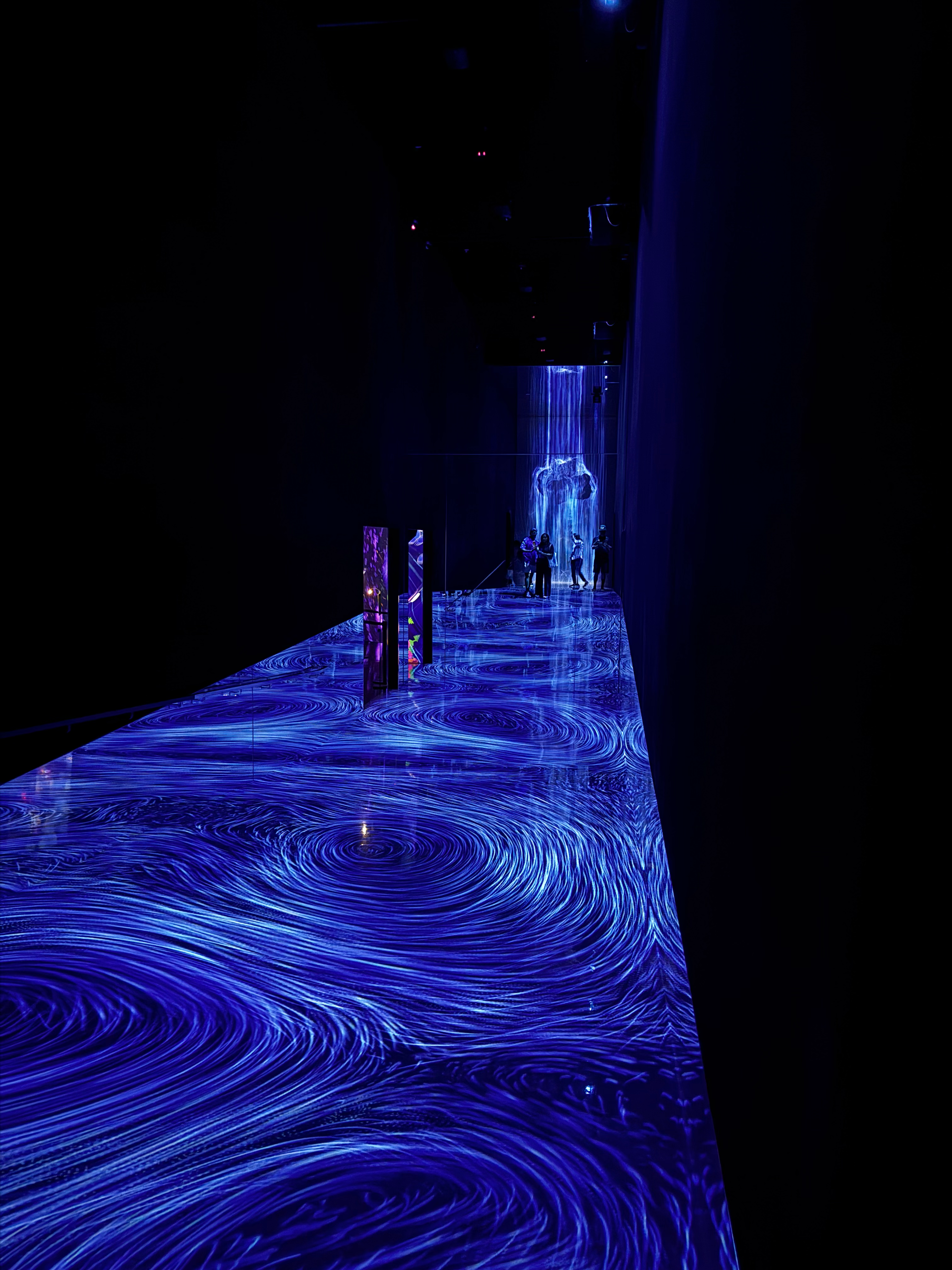
For our trip, we visited teamLab Planets, attended a Tokyo Yakult Swallows baseball game, and experienced several other popular attractions.
These are the types of activities I’d recommend researching well before you leave.
Some attractions use timed entry tickets, and popular dates or time slots can sell out.
But I also wouldn’t book every hour of every day.
Part of what makes Tokyo so enjoyable is discovering places you weren’t necessarily looking for.
Maybe it’s a small restaurant, an interesting shop, or a street that looks worth exploring.
If you’ve already scheduled your entire day down to the minute, you won’t have much opportunity to enjoy those unexpected discoveries.
Related reading: Is teamLab Planets Tokyo Worth It? Our Experience and Review
9. Don’t Worry Too Much About the Language Barrier
Another thing people tend to worry about before visiting Japan is not speaking Japanese.
Obviously, knowing the language would make certain situations easier.
But you can absolutely enjoy a trip to Tokyo without being fluent in Japanese.
In tourist areas, you’ll find English signage in train stations and at many major attractions.
Google Translate can also be extremely helpful when you’re trying to read something or communicate with someone.
I would recommend learning a few basic Japanese phrases before arriving.
Simple things like hello, thank you, and excuse me go a long way.
And don’t be afraid to venture outside the most popular tourist areas simply because you’re concerned about communicating.
A little patience, politeness, and a translation app can help you navigate most everyday situations.
10. Learn a Few Basic Japanese Customs Before You Go
You don’t need to memorize an entire book about Japanese etiquette before visiting.
But understanding a few basic customs will make your trip easier and help you avoid being an inconsiderate tourist.
For example, talking loudly on trains is generally discouraged, and phone calls on public transportation are best avoided.
You’ll also notice that people tend to be very considerate of those around them, particularly in crowded public spaces.
Another difference from the United States is tipping.
Tipping isn’t customary in Japan, so you generally don’t need to add a gratuity at restaurants, hotels, or when taking a taxi.
There are also situations where you’ll be expected to remove your shoes, particularly in certain traditional accommodations and establishments.
I wouldn’t stress too much about accidentally doing something wrong.
Pay attention to your surroundings, be respectful, and follow the lead of the people around you.
Most of it is pretty straightforward. JNTO
11. Don’t Overlook the Everyday Experiences
One of the things I enjoyed most about Japan wasn’t necessarily visiting famous attractions.
It was experiencing everyday life.
Walking through neighborhoods, stopping at convenience stores, exploring smaller streets, and trying different foods were all part of what made the trip memorable.
We visited some of Tokyo’s most popular neighborhoods, but we also spent time in places like Shibamata, which offered a completely different atmosphere.
And while the famous attractions are popular for a reason, I think you’d be missing out if that’s all you focused on.
Japan has so much more to offer than the places you see repeatedly on social media.
I’d encourage anyone visiting for the first time to make time for some ordinary experiences.
Walk through a residential neighborhood. Stop somewhere for lunch without having researched the restaurant beforehand. Explore a shopping street that isn’t necessarily on every tourist itinerary.
You might be surprised how much you enjoy those moments.
Would I Do Anything Differently on My Next Trip to Japan?
Definitely.
For starters, I’d probably spend less time trying to plan every detail.
Researching a destination before visiting is important, especially when you’re traveling internationally with kids.
But there’s a point where too much planning can actually take away from the experience.
I’d also be more realistic about how much we could accomplish each day.
Tokyo is a city that rewards taking your time, and I think there’s a lot to be said for spending an entire afternoon exploring one neighborhood rather than rushing between several.
I’d also consider visiting during a cooler time of year.
And while I enjoyed our overnight trip to Hakone, I’d love to spend more time exploring places outside Tokyo on a future visit.
There are so many other parts of Japan I’d like to see.
Final Thoughts: Is Japan Difficult for First-Time Visitors?
Before our trip, I think I made visiting Japan seem a lot more complicated than it actually was.
Between the language differences, massive train system, and unfamiliar customs, there was plenty to research.
But once we arrived and started exploring, things became much more manageable.
Is everything completely straightforward? No.
You’ll probably get turned around in a train station at some point. You’ll encounter things that work differently than you’re used to, and there will almost certainly be something you wish you’d researched a little more.
But that’s part of traveling somewhere new.
Looking back, I’m glad we finally made the trip, and I’m already thinking about what I’d like to experience the next time we visit.
If you’re planning your first trip to Japan, my biggest recommendation is to do enough research to feel comfortable, but don’t worry about getting everything perfect.
You’re not going to see everything, and you don’t need to.
Just make the trip.
Want to see more of our Japan adventures?
We filmed plenty of our experiences exploring Tokyo and Hakone, from visiting popular attractions to trying different foods and wandering through neighborhoods.
You can check out more of our videos on Board in the World on YouTube.
And if you’re planning your first trip to Japan, I’d love to hear what you’re most excited about or what you’re still trying to figure out. Leave a comment below.